Flat roofing has become a popular choice in contemporary architecture. It’s not just about aesthetics; it offers practical benefits that cater to modern living. With the rise of urbanization and an increasing focus on sustainability, flat roofs are stepping into the spotlight. This article explores why flat roofing is a stylish solution for today’s architectural landscape.
The Appeal of Flat Roofs
Flat roofs are sleek and modern, making them a favorite in contemporary designs. They provide clean lines, which can enhance the overall look of a building. Whether you're looking at a cozy home or a towering office, flat roofs can elevate the design.
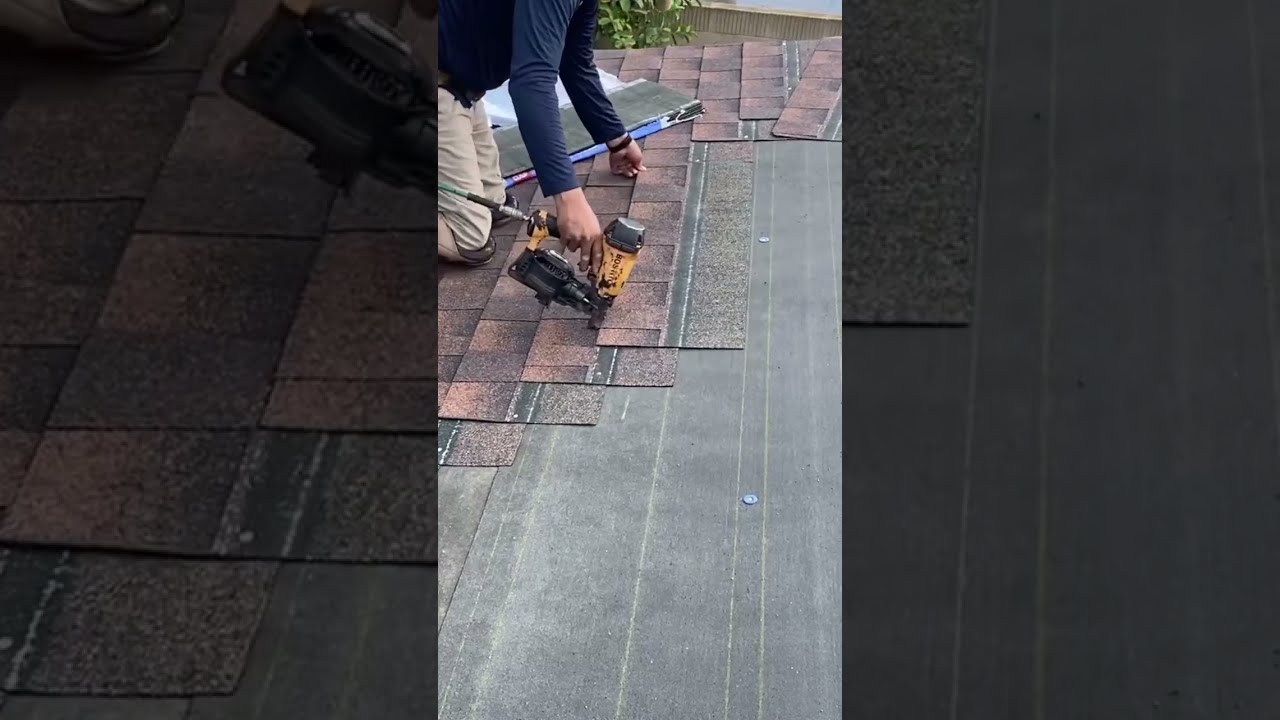
But it’s not all about looks! Flat roofing also opens up possibilities for additional outdoor spaces. Think rooftop gardens or terraces where families can relax or communities can gather. These features contribute to a vibrant urban lifestyle.
Cost-Effectiveness
One of the major advantages of flat roofing is its cost-effectiveness. Compared to traditional pitched roofs, flat roofs require fewer materials and less labor to install. This can lead to considerable savings during construction.
see moreAdditionally, maintenance costs tend to be lower over time. Flat roofs are easier to access, making repairs simpler and quicker. Homeowners save both time and money when issues arise.
Energy Efficiency
Energy efficiency is another key benefit of flat roofing. Many modern flat roofs are designed with insulation that helps retain heat during winter months and keep buildings cool in summer. This reduces energy consumption and lowers utility bills.
Moreover, some homeowners opt for reflective coatings that further enhance energy efficiency. These coatings help reflect sunlight away from the building, minimizing heat absorption and reducing air conditioning needs.
Versatility in Design
When it comes to design versatility, flat roofs reign supreme. They can support various materials like rubber, PVC, or TPO membranes, each offering different aesthetic options and durability levels.
This flexibility allows architects to get creative! They can incorporate green elements such as living roofs or solar panels seamlessly into their designs. Such innovations not only enhance the building's appeal but also contribute positively to the environment.
Urban Green Spaces
As cities grow denser, green spaces become increasingly scarce. Flat roofs provide an opportunity to create vital green areas within urban environments. Rooftop gardens not only beautify spaces but also improve air quality and reduce urban heat islands.
Imagine sipping coffee on your own rooftop garden surrounded by plants! It’s an oasis amidst concrete jungles—one that adds charm while supporting eco-friendly practices.
Real-Life Success Stories
Several cities have embraced flat roofing for its benefits. Take Paris as an example; many buildings now feature stunning rooftop terraces adorned with greenery and seating areas for relaxation or socializing.
In New York City, rooftops have become hubs of activity with community gardens and recreational spaces sprouting up everywhere you look!
These examples highlight how flat roofing contributes positively to local communities while enhancing property values.
Research Insight
According to a study by the National Roofing Contractors Association (NRCA), go here approximately 70% see more of new commercial buildings utilize flat roofing systems due to their efficiency and adaptability compared to sloped alternatives (NRCA Report 2022). This statistic reflects how widely accepted this style has become among architects and builders alike!
Frequently Asked Questions (FAQs)
1. What types of materials are used for flat roofing?
Flat roofs typically use materials like EPDM rubber, PVC membrane, TPO membrane, or modified bitumen. Each material has unique properties suited for different climates and applications.
2. How long do flat roofs last?
With proper installation and maintenance, most flat roofs can last between 20-30 years. Regular inspections will help identify potential problems early on.
3. Are there any downsides to having a flat roof?
While they offer many benefits, one drawback is drainage; improper design can lead to pooling water if not managed properly.
4. Can I install solar panels on my flat roof?
Absolutely! Flat roofs are excellent for solar panel installations due to their orientation possibilities—allowing maximum sunlight exposure without obstructions!
As you consider whether a flat roof is right for your next project or renovation, remember that it offers more than just visual appeal; it's practical too! From energy savings to versatile design options and even opportunities for green space creation—flat roofing truly stands out as a stylish solution in contemporary architecture today!
