Slate roofing is a marvel that stands the test of time. As we peel back the layers of history, we discover that this roofing material has been a favorite for centuries. With its unique combination of durability and elegance, slate has earned a spot in the annals of architectural beauty. But what exactly makes slate roofing so special? Let's dive into its rich past and explore why it continues to be a preferred choice today.
A Brief History of Slate Roofing
The use of slate as a roofing material dates back to the 13th century in Europe. Originally used in regions where slate was abundant, such as Wales and parts of France, this material quickly gained popularity due to its impressive longevity. While other roofing materials like thatch or wood would decay over time, slate could last for decades—sometimes even centuries!
In fact, some ancient slate roofs are still intact today, showcasing craftsmanship from generations ago. Imagine living under a roof that has sheltered countless families throughout history. That’s the kind of legacy we’re talking about here!
Why Choose Slate?
When considering roofing options, many homeowners find themselves overwhelmed by choices. However, slate offers advantages that stand out:
Durability: Slate is incredibly tough. It can withstand harsh weather conditions better than most materials. Aesthetic Appeal: With its natural colors and textures, slate adds character to any home. Eco-Friendly: Being a natural stone, it’s sustainable and doesn’t contribute to environmental harm like some synthetic materials. Fire Resistance: Unlike wooden shingles, slate won't catch fire easily—a significant benefit for safety-conscious homeowners.Recent research by the National Roofing Contractors Association (NRCA) highlights that homes with slate roofing often have higher property values compared to those with conventional materials. This goes to show that investing in quality pays off!
Installation and Maintenance
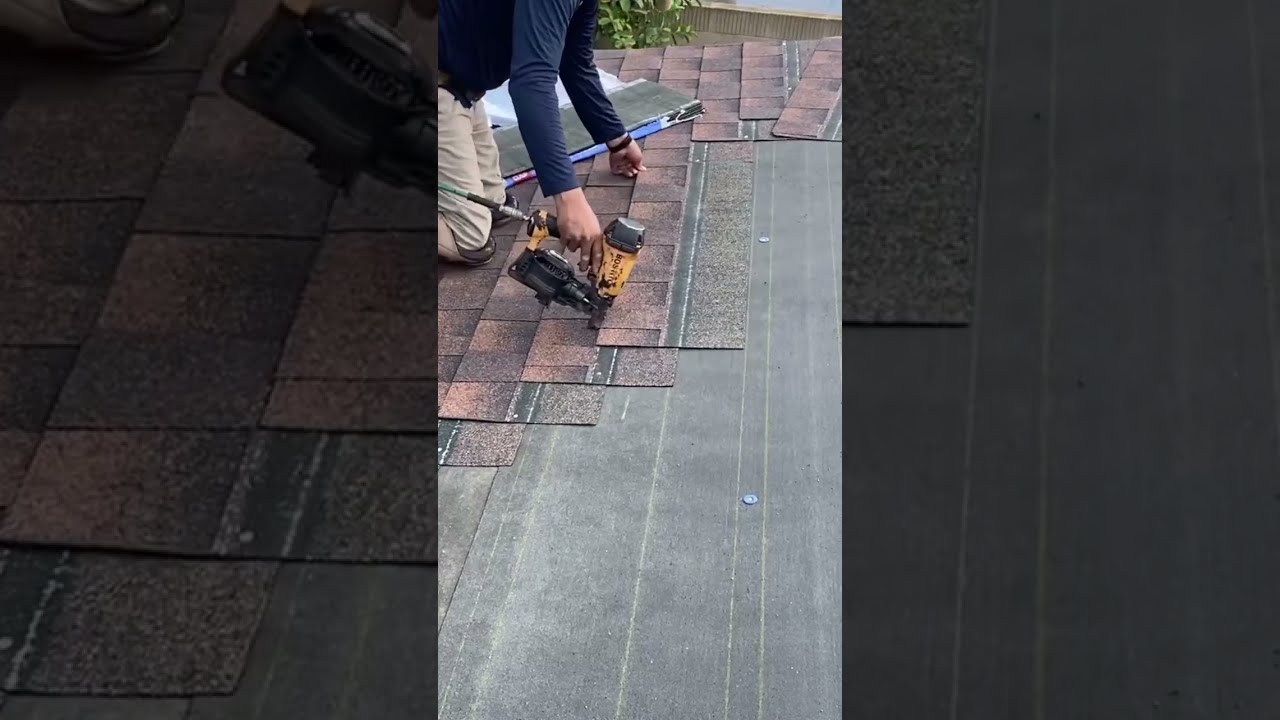
While installing slate may seem daunting at first glance due to its weight and installation requirements, professionals make it look easy! Skilled roofers know how to handle and lay down each piece effectively.
Maintenance is quite simple too! Regular inspections are key; just keep an eye on any loose tiles or potential leaks—easy peasy! A little TLC goes a long way in extending the lifespan of your roof.
The Cultural Significance
Slate roofing isn't just functional; it's steeped in cultural significance too. In many places around the world, certain styles or patterns reflect local traditions or history. For example:
- In Wales, you might find intricate arrangements representing specific historical events. In New England, colonial-style homes often boast traditional grey slate roofs.
These variations tell stories about regional identity and craftsmanship passed down through generations.

The Cost Factor
Let’s talk turkey—what's it going to cost you? Depending on your location and the complexity of your roof design, prices vary widely. Generally speaking, while initial costs can be high compared to asphalt shingles, consider it an investment rather than an expense.
Given their longevity and low maintenance costs over time, homeowners often find they save money in the long run with slate roofs.
FAQs about Slate Roofing
1. How long does a slate roof last?
A well-installed slate roof can see more last anywhere from 50 to over 100 years! Talk about longevity!
2. Is slate roofing heavy?
Yes! Slate is heavier than most roofing materials. Ensure your building structure can support it before installation.
3. Can I walk on my slate roof?
It's best not to walk on a slate roof unless necessary for maintenance purposes. The tiles can crack underfoot if not careful.
4. Are there different types of slate?
Absolutely! There are several types based on color and thickness—some being more suitable for certain climates than others.
Modern Applications
Today’s architects still embrace slate in contemporary designs while keeping tradition alive. You’ll find sleek modern homes featuring elegant lines paired click over here now with classic slate roofs—a beautiful marriage between old and new!
Furthermore, eco-conscious builders appreciate how using local slates reduces transportation costs and carbon footprints—making this historic material relevant in today's green building movement.
Final Thoughts
As we reflect on the legacy of slate roofing, it's clear this material is more than just stone perched atop our homes; it's part of our collective history—a testament to craftsmanship that endures through ages past into future generations.
So next time you find yourself gazing at a stunning old estate with a gleaming slate rooftop or considering new options for your own home, remember the stories embedded within those stones—the families sheltered beneath them—the artistry involved in every tile laid see more down lovingly by skilled hands.
In embracing this timeless material today, we honor those who came before us while creating something beautiful for those who will follow—a legacy indeed worth preserving!